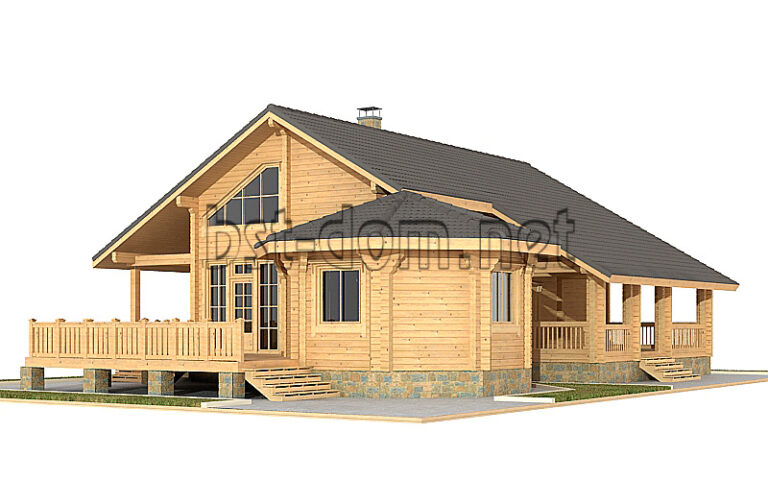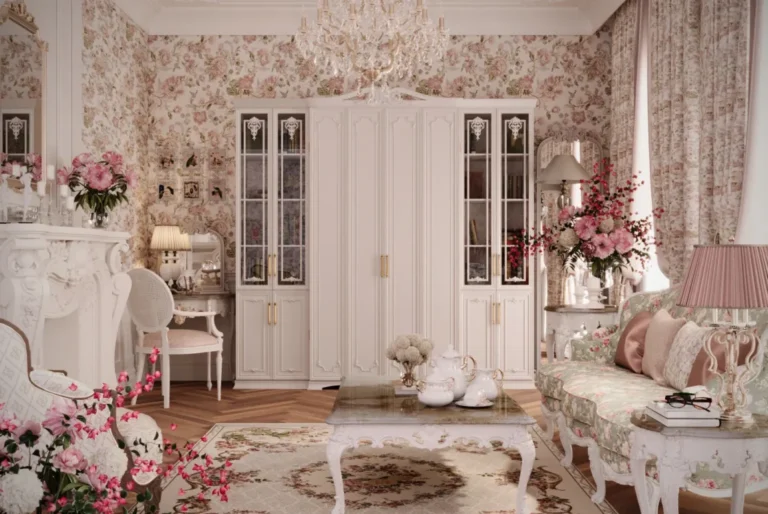

A wood-frame house is the most common choice in California. But after the wildfires of recent years more and more people ask: can I build a house that does not burn, handles earthquakes well and costs no more than a frame house? Yes — with aerated concrete built to German technology.
Every one of our projects comes with two complete sets of drawings: an aerated concrete block house and a wood-frame house. That is why we can compare both options honestly and help you choose.
Fire
Aerated concrete does not burn. It is a mineral material: sand, lime, cement and air in the pores. An aerated concrete wall withstands fire for hours and does not release toxic smoke.
A frame house is wood. It can be protected with fire-rated sheathing and treatment, but the structure itself is combustible. After the Palisades and Altadena fires, this is the main question for many owners.
Earthquakes
Aerated concrete is light — its density and weight are close to wood. A lighter house takes a smaller load in an earthquake. We build with reinforcement and concrete bond beams, and these houses are designed with seismic loads in mind.
A frame house also handles earthquakes well thanks to its flexibility. Both options are reliable when the design is done right.
Warm in winter, cool in summer
Aerated concrete insulates by itself: thermal conductivity is 0.09–0.18 W/(m·°C). The wall stores heat during the day and releases it at night. The house stays cool in summer and warm in winter — like a wooden house — and you spend less on air conditioning.
A frame house needs insulation inside the walls; the result depends on its quality and installation.
Moisture, mold and termites
Aerated concrete “breathes”: it lets vapor through and evens out indoor humidity. It does not rot, termites do not eat it, and mold does not grow in it.
Wood needs protection from moisture and termites — an important point in California.
Cost
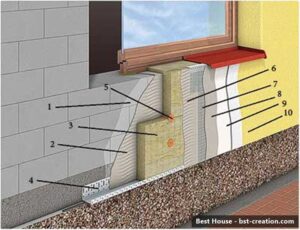
Many people think a masonry house is much more expensive. But aerated concrete blocks are precise and are laid on thin-set adhesive with 1–3 mm joints. The walls don’t need leveling: inside, a thin coat of plaster and putty; outside, vapor-permeable stucco or a ventilated facade (see wet facade: 10 layers). With this finish, an aerated concrete house is comparable in price to a frame house.
The foundation is simpler too: light walls don’t need a heavy base.
Service life
A masonry house lasts longer and is not afraid of damp, heat or insects. That raises the value of the home when you sell it.
Which one to choose
| Aerated concrete | Wood frame | |
|---|---|---|
| Burns | no | yes, needs protection |
| Earthquake | reliable (light, reinforced) | reliable (flexible) |
| Heat and cool | holds by itself | depends on insulation |
| Termites, rot | not affected | needs protection |
| Price | comparable to frame | the usual for LA |
If fire protection and durability matter most to you, choose aerated concrete. If you want the fastest option most familiar to local builders, choose wood frame. Either way, the project is the same — and there are two sets of drawings.
Our projects
We offer 9 house plans from 126 to 297 m² (1,356–3,197 sq ft): Altena, Berndorf, Konstanz, Meissen, Oberhof, Klausdorf, Essen, Rinsberg and more. Didn’t find the right one? We will offer a plan from our archive or design a new one. More about our aerated concrete construction and aerated concrete homes, earthquakes and fire.
Phone, WhatsApp, Telegram: +1 747 366 2981
Email: info@bst-creation.com
Plans: bst-creation.com/projects/aerated-concrete-house-projects/